How Drug Rehabilitation Centers Work in Ghaziabad – Complete Process Explained
Introduction
For individuals and families struggling with substance use disorders, understanding how rehabilitation centers operate can be the first step toward healing. The decision to enter a rehab facility is often accompanied by questions: What actually happens inside? What does the treatment process look like? How long does it take? Is it effective?
This guide provides a comprehensive overview of how drug rehabilitation centers work, walking you through the complete treatment process from admission to aftercare. Whether you are considering treatment for yourself or helping a loved one find help, understanding what to expect can reduce anxiety and build confidence in the recovery journey.
What is a Rehab Center?
A rehabilitation center, commonly known as a rehab center, is a specialized facility designed to help individuals overcome substance use disorders and addiction. These centers provide structured, professional treatment in a safe and supportive environment.
Rehab centers differ from general hospitals in that they focus specifically on addiction treatment, offering a combination of medical care, psychological therapy, life skills training, and peer support. The goal is not merely to stop substance use but to address the underlying causes of addiction and equip individuals with the tools needed for long-term sobriety.
A quality nasha mukti kendra in Ghaziabad offers comprehensive services tailored to the unique needs of each individual, recognizing that addiction affects people differently based on the substance used, duration of use, co-occurring mental health conditions, and personal circumstances.
Step-by-Step Treatment Process
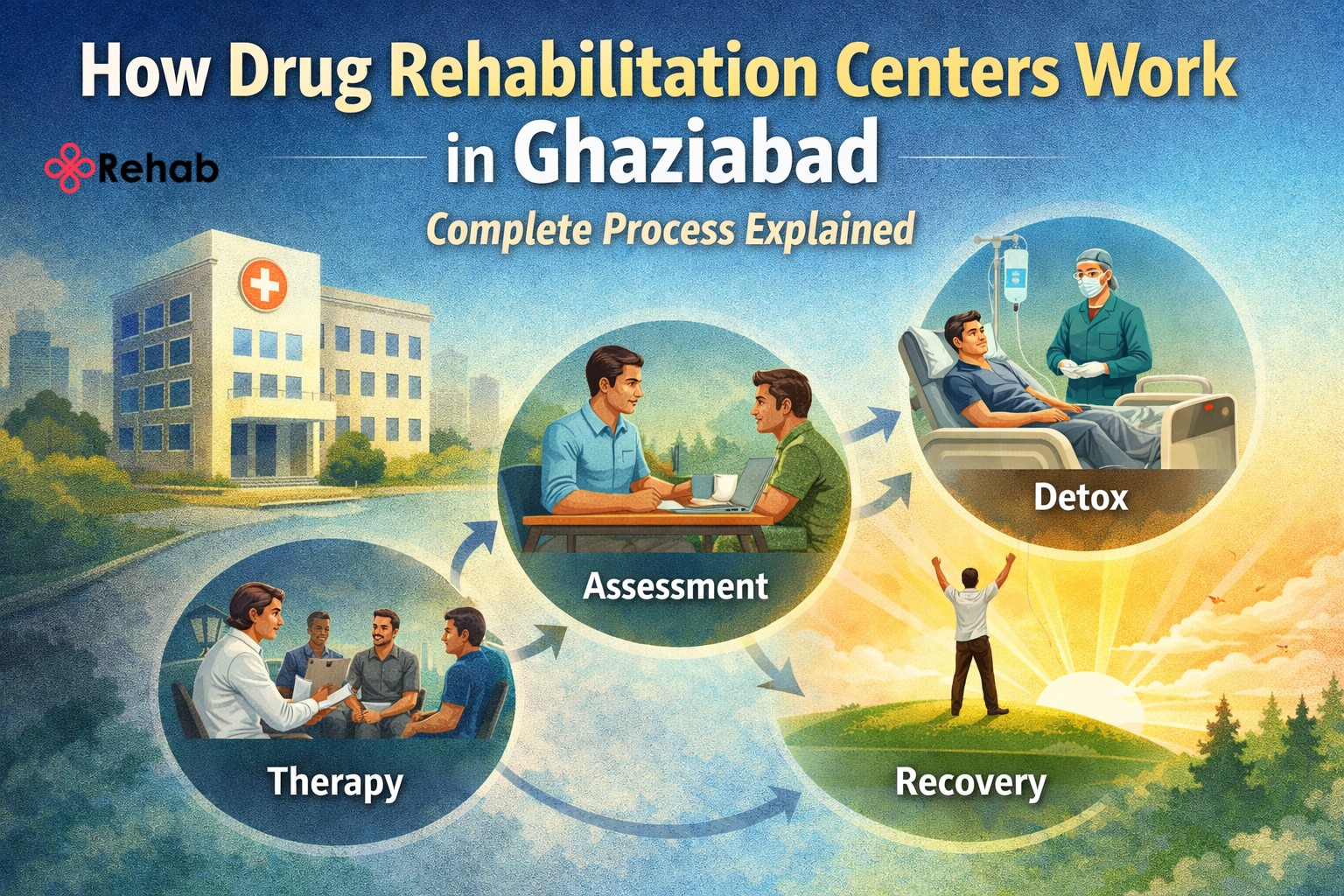
The journey through a rehabilitation center typically follows a structured, phased approach. While specific programs may vary, the core stages remain consistent across reputable facilities.
1. Assessment – The First Step
The treatment process begins with a comprehensive assessment. Upon admission, a team of medical professionals, counselors, and addiction specialists evaluates the individual to create a personalized treatment plan.
The assessment typically includes:
- Medical Evaluation: A thorough physical examination to assess overall health, identify any substance-related medical complications, and determine the need for detoxification.
- Psychological Evaluation: Assessment of mental health status, including any co-occurring disorders such as depression, anxiety, PTSD, or bipolar disorder.
- Substance Use History: Detailed discussion about the types of substances used, duration of use, quantity, frequency, and previous treatment attempts.
- Social and Environmental Assessment: Evaluation of family dynamics, living situation, employment status, and support systems.
- Personal Goals: Understanding the individual’s motivations, concerns, and desired outcomes for treatment.
This assessment ensures that treatment is not a one-size-fits-all approach but is instead tailored to address the specific needs and circumstances of each individual.
2. Detoxification – Clearing the Body
Detoxification, or detox, is the process of allowing the body to eliminate substances while managing withdrawal symptoms. This is often the most physically challenging phase of treatment and requires professional medical supervision.
What happens during detox:
- Medical Monitoring: Vital signs such as heart rate, blood pressure, and temperature are monitored 24/7 to ensure safety.
- Withdrawal Management: Medications may be administered to ease withdrawal symptoms, reduce cravings, and prevent complications.
- Nutritional Support: Proper hydration and nutrition are provided to support the body’s healing process.
- Emotional Support: Counselors and staff provide reassurance and encouragement during this vulnerable period.
Duration of detox:
Detox typically lasts between 3 to 14 days, depending on factors such as
- The substance used (alcohol, opioids, benzodiazepines) often require longer detox.
- Duration and intensity of use
- Overall health status
- Presence of co-occurring medical or mental health conditions
It is important to note that detox alone is not treatment. While it addresses physical dependence, it does not resolve the psychological, behavioral, and social aspects of addiction. Treatment must continue beyond detox for lasting recovery.
3. Therapy and Counseling – Healing the Mind
Once detox is complete and the individual is medically stable, the core therapeutic work begins. This phase addresses the root causes of addiction and develops the skills needed for sustained sobriety.
Individual Therapy:
One-on-one sessions with a trained counselor or therapist allow individuals to explore personal issues in a confidential setting. Common approaches include:
- Cognitive Behavioral Therapy (CBT): Helps identify and change negative thought patterns and behaviors associated with substance use.
- Motivational Interviewing (MI): Strengthens internal motivation to maintain sobriety.
- Trauma-Informed Therapy: Addresses underlying trauma that may contribute to substance use.
- Relapse Prevention: Teaches strategies to identify triggers and manage cravings.
Group Therapy:
Group sessions bring together individuals at similar stages of recovery. These sessions provide:
- Peer support and encouragement
- Opportunities to practice interpersonal skills
- A sense of community and reduced isolation
- Accountability and shared learning
Family Therapy:
Addiction affects the entire family. Family therapy sessions help:
- Repair damaged relationships
- Improve communication
- Educate family members about addiction as a disease
- Build a supportive home environment for recovery
Holistic Therapies:
Many rehab centers incorporate complementary therapies to support overall well-being, including:
- Yoga and meditation
- Art and music therapy
- Exercise and fitness programs
- Mindfulness and stress management techniques
4. Recovery and Aftercare – Building Lasting Sobriety
Treatment does not end when a person leaves the rehab facility. The final phase focuses on preparing individuals to transition back to daily life while maintaining sobriety.
Relapse Prevention Planning:
Before discharge, individuals work with counselors to develop a comprehensive relapse prevention plan that includes:
- Identifying personal triggers and high-risk situations
- Developing coping strategies
- Creating a sober daily routine
- Building a network of sober supports
Aftercare Services:
Quality rehab centers provide ongoing support after formal treatment ends. Aftercare may include:
- Continued individual or group counseling sessions
- Referrals to support groups such as Narcotics Anonymous (NA) or SMART Recovery
- Sober living arrangements for individuals needing transitional housing
- Regular check-ins with counselors or case managers
Alumni Programs:
Many rehab centers offer alumni programs that connect former clients with ongoing support, social events, and opportunities to mentor newcomers in recovery. These programs strengthen long-term sobriety by maintaining connection to the recovery community.
Duration of Treatment
There is no single timeline that works for everyone. Treatment duration depends on individual needs, the severity of addiction, and progress made during treatment.
| Program Type | Typical Duration | Best For |
|---|---|---|
| Detox Only | 3–14 days | Medically stabilizing individuals before treatment |
| Short-Term Residential | 28–30 days | Individuals with mild to moderate addiction and strong support systems |
| Long-Term Residential | 60–90+ days | Individuals with severe addiction, co-occurring disorders, or unstable home environments |
| Intensive Outpatient (IOP) | 8–12 weeks | Those transitioning from residential treatment or with mild to moderate addiction |
| Outpatient (OP) | 3–12 months | Individuals with stable home environments and mild substance use |
Research consistently shows that longer treatment durations—typically 90 days or more—are associated with better outcomes. Recovery is a process, not an event, and adequate time in treatment allows for deeper healing and skill development.
Facilities in Rehab Centers
The environment in which treatment occurs plays a significant role in recovery. Modern rehabilitation centers provide facilities designed to support healing and well-being.
Accommodation:
- Private or semi-private rooms
- Comfortable, safe, and clean living spaces
- Substance-free environment
Therapy Spaces:
- Individual counseling rooms
- Group therapy rooms
- Family therapy spaces
Recreational Facilities:
- Outdoor spaces and gardens
- Exercise rooms or gyms
- Meditation or yoga spaces
Medical Facilities:
- On-site medical staff
- Medication management services
- 24/7 nursing care
Additional Amenities:
- Nutritious meals prepared by staff
- Laundry services
- Recreational activities and outings
A well-equipped nasha mukti kendra in Ghaziabad provides these facilities while maintaining a compassionate, respectful atmosphere that honors the dignity of each individual seeking help.
Benefits of Choosing a Professional Rehab Center
Choosing a professional rehabilitation center offers numerous advantages over attempting to quit alone.
1. Medical Safety
Detoxing from certain substances—particularly alcohol, benzodiazepines, and opioids—can be dangerous without medical supervision. Rehab centers provide 24/7 medical care to manage withdrawal safely.
2. Structured Environment
The structured daily schedule in rehab removes individuals from triggers and environments that enable substance use. This structure helps establish healthy routines that can be maintained after treatment.
3. Professional Expertise
Rehab centers employ multidisciplinary teams including physicians, psychiatrists, nurses, counselors, and support staff who specialize in addiction treatment.
4. Peer Support
Living and healing alongside others who understand the challenges of addiction reduces isolation and provides mutual encouragement.
5. Addressing Root Causes
Rehab programs go beyond stopping substance use to address underlying issues such as trauma, mental health disorders, and unhealthy coping mechanisms.
6. Family Involvement
Quality rehab centers involve family members in the treatment process, helping repair relationships and build a supportive home environment.
7. Relapse Prevention
Comprehensive relapse prevention planning equips individuals with the tools and strategies needed to maintain sobriety after leaving treatment.
8. Aftercare Support
Continued support after formal treatment ends significantly improves long-term outcomes and reduces the risk of relapse.
FAQs
What is the first step to entering a rehab center?
The first step is typically a phone call or online inquiry to the rehab center. An admissions counselor will conduct an initial assessment, verify insurance or discuss payment options, and guide you through the admission process.
Can I admit myself to a rehab center voluntarily?
Yes, most individuals enter rehab voluntarily. Some may be referred by family members, employers, or the legal system, but voluntary admission is the most common path.
What should I bring to rehab?
Rehab centers typically provide a list of permitted items. Generally, you should bring comfortable clothing, toiletries (alcohol-free), a list of medications, identification, and insurance information. Valuables, electronics, and substances are usually not permitted.
Will I have to share a room?
This varies by facility. Some offer private rooms, while others have shared accommodations. This information is typically available during the admission process.
Can I use my phone or have visitors?
Most rehab centers limit phone and visitor access, especially during the initial phase of treatment, to allow individuals to focus fully on recovery. Policies vary by facility and phase of treatment.
What happens if I relapse during treatment?
Relapse during treatment is addressed with compassion. Staff will work with the individual to understand what triggered the relapse and adjust the treatment plan accordingly. Relapse is viewed as a signal to refine strategies, not as a failure.
How do I choose the right rehab center?
Consider factors such as accreditation, staff qualifications, treatment approaches offered, duration of programs, aftercare services, and cost. Visiting the facility or speaking with admissions counselors can help you make an informed decision.
Does insurance cover rehab treatment?
Many insurance plans cover addiction treatment. Admissions counselors can verify benefits and explain payment options. Some facilities also offer sliding scale fees or financing options.
What is the success rate of rehab?
Success rates vary, but research shows that individuals who complete treatment and engage in aftercare have significantly better outcomes. Treatment duration is a key factor-those who stay in treatment for 90 days or more have substantially higher success rates.
Conclusion
Understanding how rehabilitation centers work demystifies the treatment process and empowers individuals and families to take the first step toward recovery. From comprehensive assessment and medically supervised detox to intensive therapy and ongoing aftercare, rehab centers provide the structure, support, and expertise needed to overcome addiction.
Recovery is not simply about stopping substance use-it is about rebuilding a life of purpose, health, and connection. Professional rehabilitation centers offer the tools, guidance, and environment where this transformation can occur.
If you or someone you love is ready to begin the journey to recovery, help is available. A trusted nasha mukti kendra in Ghaziabad can provide the compassionate care, medical expertise, and structured environment needed to break free from addiction and build a foundation for lasting sobriety.
You do not have to navigate this journey alone. Recovery is possible-and it starts with reaching out.

Recent Posts
Drug De-Addiction Centre in Ghaziabad – Complete Recovery Starts Here

Top 10 Nasha Mukti Kendras in Noida (2026 Guide)
How Drug Rehabilitation Centers Work in Ghaziabad – Complete Process Explained
All Categories
Tags